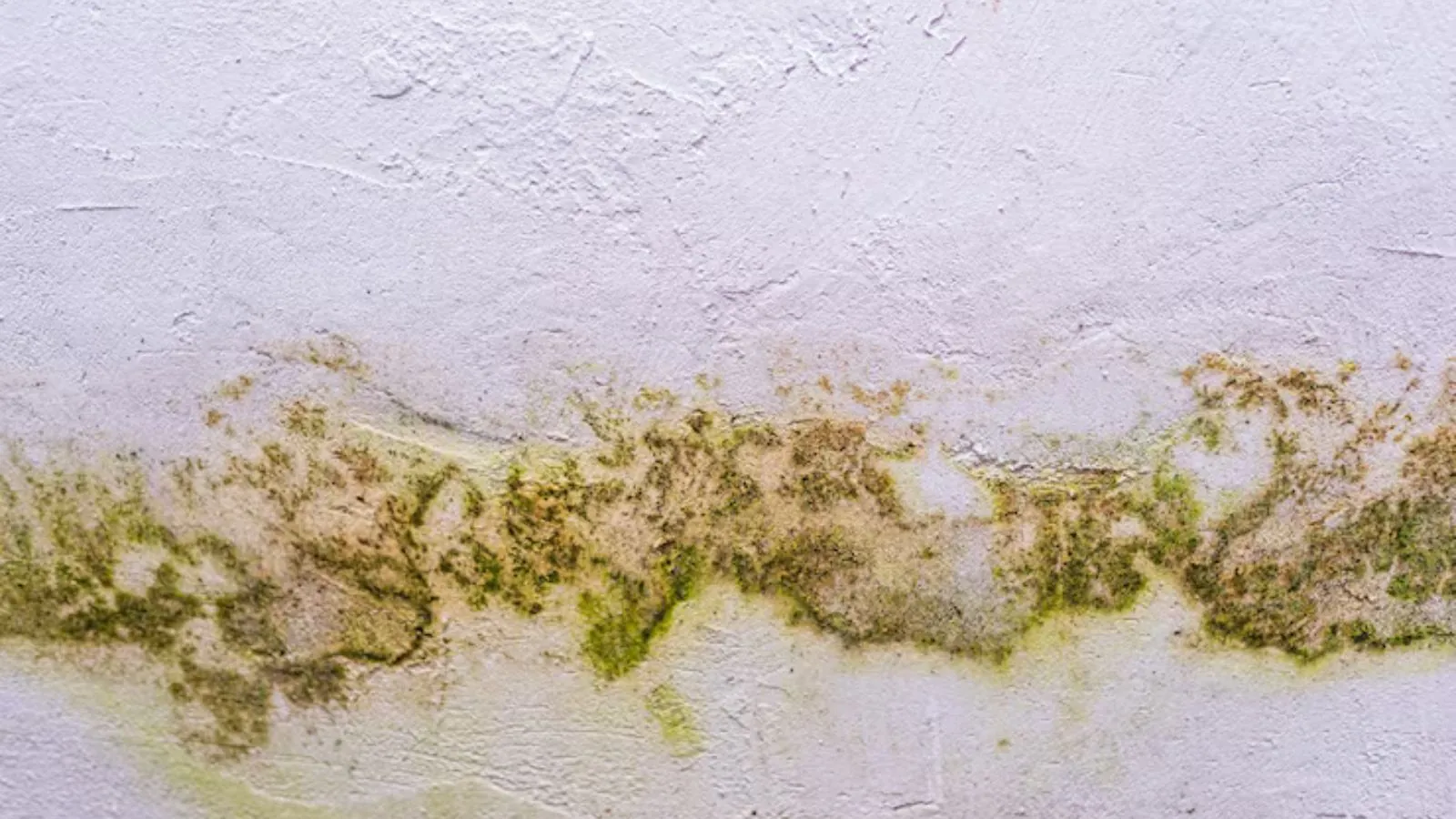
Mold coverage is one of the most confusing parts of a homeowners policy. Some policies exclude mold, some cover it only when it follows a covered loss, and many cap the amount they will pay.
This guide explains the common patterns, what to look for in your policy and what to document. It is general information, and your policy and your insurer decide coverage.
Why Mold Coverage Is Limited.
Insurers worry about mold because it can follow slow leaks, humidity and poor maintenance, which they often consider preventable. Many policies therefore exclude mold or limit the payout to a set amount.
The cause matters. Mold that follows a covered sudden loss, such as a burst pipe, may be treated differently from mold caused by long term humidity. Read the wording for the cause and the dollar limit.
Mastic local note.
The New York Department of Financial Services notes that standard homeowners policies do not cover flood and that water back-up coverage is typically an endorsement. Mold that follows flood or back-up water is therefore tied to those separate coverages.
New York mold law, Article 32, covers projects larger than 10 square feet and requires licensed assessors and remediation contractors.
What To Look For in Your Policy.
Mold exclusion.
Language that excludes loss caused by fungi or mold.
Sub-limit.
A cap on how much the policy pays for mold related loss.
Covered cause.
Mold that follows a covered peril may be treated as part of that loss.
Endorsements.
Optional coverage that can be added for fungi, wet rot or back-up.
Typical Patterns.
| Situation. | Often treated as. | Notes. |
|---|---|---|
| Mold after a sudden pipe burst. | May be included, up to limits. | Depends on wording and how fast drying began. |
| Mold from long term humidity. | Often excluded. | Considered maintenance. |
| Mold after flood water. | Depends on flood coverage. | Flood is separate from homeowners coverage. |
| Mold after sewer back-up. | Depends on back-up endorsement. | Check the endorsement. |
This table is a general guide, and your own policy controls.
Documentation That Helps.
- Photograph the damage and the moisture source before any work.
- Record the date you found the water and when you started drying.
- Keep moisture logs and invoices from the drying company.
- Keep assessment and clearance reports from licensed mold professionals.
- Notify your insurer before major mold work begins.
Dry Quickly To Protect the Claim.
Insurers expect you to protect the property from further damage. Starting drying right away helps limit mold, and it shows reasonable mitigation. The EPA advises drying water damaged materials within 24 to 48 hours.
If you delay, an insurer may argue that the mold resulted from neglect. Quick action is useful for the claim and for the house.
Ensuing Loss and Wording.
Some policies exclude mold but cover damage that follows a covered loss. The wording may say that if a covered peril causes mold, the mold damage is covered up to a limit. Another policy may exclude mold in every case.
Because the wording varies so much, bring your policy to the conversation with your agent. Ask them to show you the language and to explain it. Record the answer in writing.
Moisture Control as Mitigation.
Insurers expect you to take reasonable steps to prevent further damage. After a leak, that includes drying and removing wet materials. Doing this promptly helps your claim and reduces the amount of mold work needed.
If you wait, an insurer may say that the mold was caused by delay. Keep invoices and moisture logs from the drying company. They show when you acted and what you did.
Questions To Ask Your Agent About Mold.
- Does my policy cover mold, and is there a dollar limit?
- Is mold covered when it follows a covered water loss?
- Is there an endorsement for fungi or wet rot, and what does it cost?
- Does flood coverage or back-up coverage include mold that follows those events?
- What documents will you need if I make a claim?
Write the answers down and keep them with the policy.
Documenting Mold for a Claim.
If you find mold after a water loss, photograph it before anything is moved, with a coin or ruler for scale. Note the room, the date and what you think caused the moisture. Keep any invoices for repairs to the source.
Report the loss promptly. Many policies expect notice within a reasonable time, and delays can make it harder to link the mold to a covered event. Your agent or insurer can tell you what your own policy requires.
Separate the assessment from the cleanup. In New York, the person who assesses a mold project over 10 square feet and the company that remediates it must be different on the same property, so ask for each in writing.
Standards and Sources.
The ANSI/IICRC S520 is the published standard for professional mold remediation, and New York Labor Law Article 32 sets the licensing rules for projects over 10 square feet. We cite both as references for homeowners insurance and mold. They describe how the work is planned and who may do it, and they are not a claim about any certification.
Where To Begin.
If mold followed a leak, mold remediation explains inspection, testing and licensed removal. If water is still present, water extraction is the first step.
We also serve Manorville and East Moriches.
Questions Readers Ask.
Sometimes, and often with limits. It depends on the cause and the policy wording. Ask your insurer.
Insurers treat mold from long term moisture as a maintenance issue and limit exposure.
Notify them before major work starts, so the claim is not complicated.
Yes. A written assessment and a clearance report document the problem and the work.
Storm rain through a damaged roof may be treated differently from flood water. The cause and the policy decide, so ask your insurer.
Need a hand with the next step?
Call and we will explain scope and price before work starts.
Call (934) 223-1875.