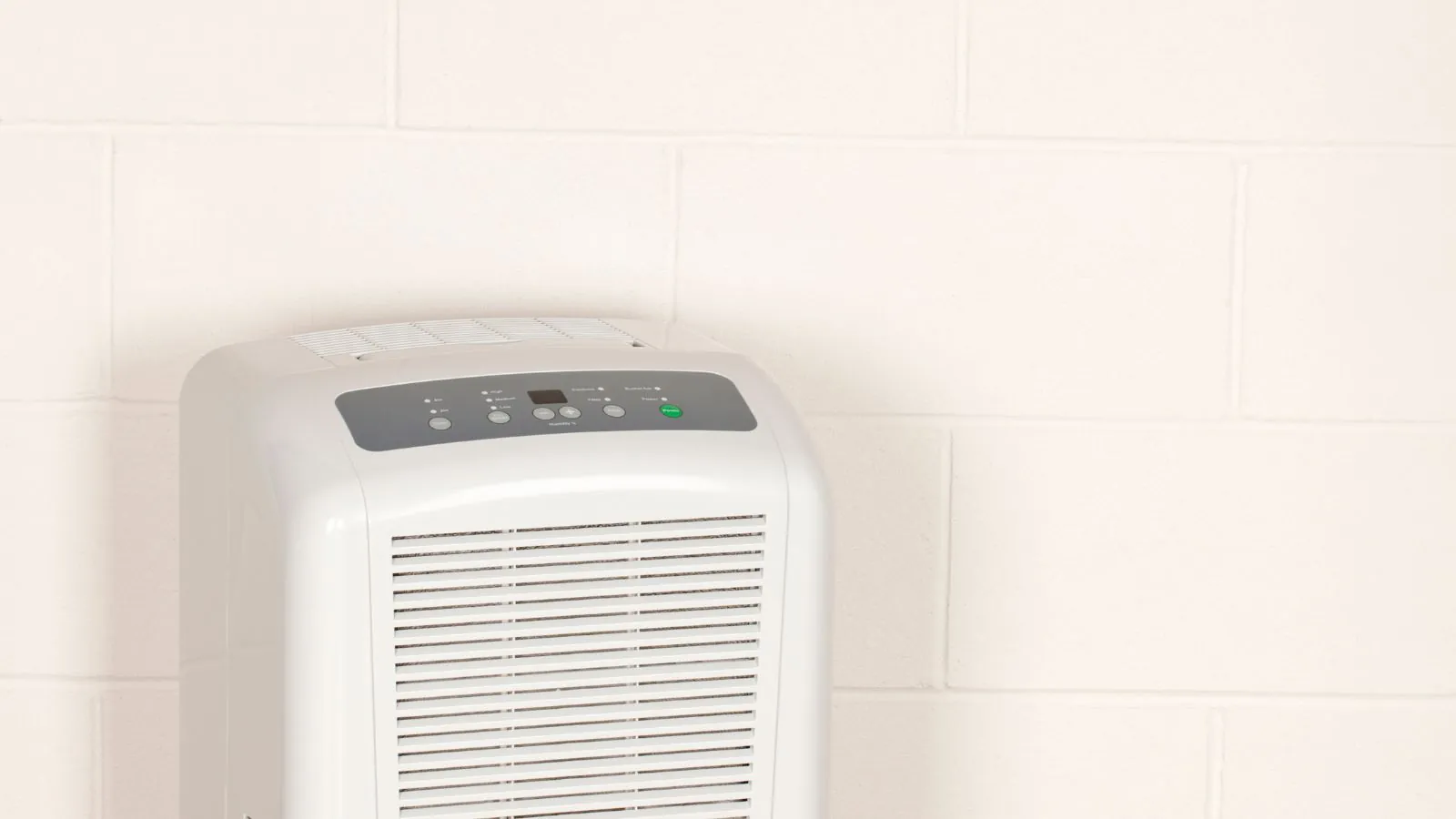
Structural Drying and Dehumidification in Mastic, NY.
After the standing water is gone, the building still holds moisture. Structural drying removes it from wood, drywall and concrete.
Structural drying is the stage that happens after standing water has been removed. Floors, walls, framing and subfloors absorb water and release it slowly, and left alone they can stay damp for weeks.
Drying uses air movers, dehumidifiers and moisture meters, and the work continues until readings match dry reference points. Technicians log that progress so you and your insurer can see it.
This page explains how drying works, what water mitigation means, and why a room can feel damp long after the visible water is gone.
Why Does the Room Still Feel Damp After the Water Is Gone?
Musty smell that returns.
Moisture is still held in drywall, padding or framing and is releasing into the air.
Cold, clammy surfaces.
Wet materials feel cooler than dry ones because water is evaporating from them.
Baseboards or flooring that cup.
Wood keeps absorbing moisture until the source is gone and the wood dries.
Condensation on windows.
Excess moisture is in the air, so a dehumidifier is needed.
A towel and a household fan clear the surface. They do not tell you whether the cavity behind a baseboard is dry. A moisture meter does.
What Water Mitigation Means.
Water mitigation is the set of steps that stops damage from getting worse. It includes stopping the source, extracting water, removing materials that cannot be saved, and starting controlled drying. Mitigation comes first, and repair comes after.
Mitigation is separate from reconstruction. If you are filing an insurance claim, the two are often documented and priced separately. See water extraction for the first physical step.
Still damp after cleanup?
Call the 24/7 line. We can explain what readings and equipment are needed.
How Drying Equipment Works.
Air movers push air across wet surfaces so water evaporates. Dehumidifiers pull that water vapor out of the air and drain it away. Both are needed, because fans alone only move moisture around.
| Equipment. | Purpose. | Where it is used. |
|---|---|---|
| Air movers. | Speed evaporation from surfaces. | Floors, wall bases, ceilings. |
| Low grain refrigerant dehumidifiers. | Remove moisture from the air in warm, wet spaces. | Living areas, basements. |
| Desiccant dehumidifiers. | Dry air in cooler spaces where refrigerant units work poorly. | Crawl spaces, cold garages. |
| Moisture meters and thermal cameras. | Find wet areas and track progress. | Walls, subfloors, ceilings. |
Equipment is placed and adjusted by a technician, and moved as readings change.
Dry Standards and Logs.
The IICRC S500 is a published standard for water damage restoration, and its drying principles guide how technicians set goals. Readings are taken from the affected area and from an unaffected area of the same house as a reference.
Drying is complete when affected materials match the reference. Daily logs record temperature, humidity and moisture readings. Those logs are useful if your insurer asks how long equipment ran and why.
What To Expect While Equipment Runs.
Setup.
Equipment is placed, power is connected and readings are recorded.
Daily checks.
Technicians return to measure, adjust and move equipment.
Removal of stubborn materials.
If a section does not dry, it may be opened or removed.
Sign off.
Equipment is removed when readings are normal.
Equipment can be loud and warm, and you may need to keep doors and windows closed. Where flood damage restoration is involved, drying takes place after cleaning and debris removal.
Why Opening a Wall or Floor Can Speed Drying.
Wet materials dry from the surface, and anything covered dries slowly. Opening a section of wall, lifting a baseboard or drilling small holes for air flow can cut drying time because air reaches the wet area directly.
Technicians decide what to open based on readings. A small opening that lets equipment dry a cavity is better than leaving the wall closed and running equipment for weeks. Openings are patched afterward as part of repair, which is why wall and drywall water damage repair follows drying.
What Changes the Scope and Cost.
Materials affected.
Concrete and framing dry slowly, and drywall dries faster.
Air volume.
Larger spaces need more dehumidification.
Conditions.
Humid weather slows drying and heat speeds it.
Equipment days.
The longer equipment runs, the more it costs.
What To Do Before a Crew Arrives.
- Shut off the water supply if you can reach the valve safely.
- Do not touch outlets, cords or appliances while standing in water.
- Do not enter a room with a sagging or bulging ceiling.
- Photograph the damage before moving anything.
- Move small valuables and papers to a dry shelf, then call the line.
Reference Standards.
The ANSI/IICRC S500 is the published standard for professional water damage restoration, and it defines water categories 1 to 3 by how contaminated the source is. We cite it as a reference for Structural Drying and Dehumidification and not as a claim about any certification. The EPA advises drying water damaged materials within 24 to 48 hours to limit mold growth.
Questions About Structural Drying and Dehumidification in Mastic.
Moisture may still be held in drywall, padding or framing. A moisture meter finds it and drying equipment removes it.
Fans speed evaporation but do not remove moisture from the air. Without a dehumidifier, the moisture moves elsewhere. A meter tells you whether the structure is dry.
It depends on the materials and conditions. Technicians stop when readings match the reference, not on a fixed number of days.
Running equipment uses electricity. Documenting the equipment and runtime can help with your claim.
Mitigation stops and controls the damage. Repair replaces finishes and materials after the structure is dry.
Drying finishes what extraction started.
Call and we will explain the readings and the equipment plan.
Call (934) 223-1875.