Emergency Storm Water Damage Cleanup in Mastic, NY.
Storms bring wind-driven rain, tree damage and flood water to the south shore of Long Island. Here is how cleanup is handled.
Storm damage is a 24/7 emergency, and our Mastic line stays open during storms. If it is safe, stay inside and away from windows. After the storm passes, stay out of flooded areas and downed power lines.
When it is safe to look, photograph roof damage, fallen limbs, broken windows and wet rooms. Cover openings with tarp or plywood if you can do so without climbing onto a wet roof.
Storm losses often combine rain through the roof, water through windows and rising water from outside. This page explains how those are separated, dried and documented.
After a coastal storm, the low streets along Moriches Bay are covered on our Mastic Beach page.
Emergency Steps After a Storm.
Stay safe first.
Avoid downed lines, flooded basements and areas with wet electrical equipment.
Photograph before moving anything.
Wide shots and close-ups of damage help your insurer.
Cover openings.
Tarp a damaged roof area or board a broken window if it is safe to do so.
Call us.
We explain what to do while the weather clears.
Storms That Have Affected Mastic.
Tropical Storm Irene in 2011 brought flooding to Mastic Beach, and the National Weather Service recorded water as deep as 4 feet reaching about 2,000 feet inland from Moriches Bay. Superstorm Sandy in 2012 left a large photo record across Mastic, Mastic Beach and Shirley.
A nor'easter in January 2024 led the Town of Brookhaven and Suffolk County to declare states of emergency. The National Weather Service forecast office for the New York area is in Upton, staffed around the clock, and issues the watches and warnings people rely on.
Storm damage in the house?
Call the 24/7 line. We will explain what to photograph and what to cover.
Types of Storm Water Damage.
Wind-driven rain.
Water gets in under shingles, around windows and through attic vents.
Roof and tree damage.
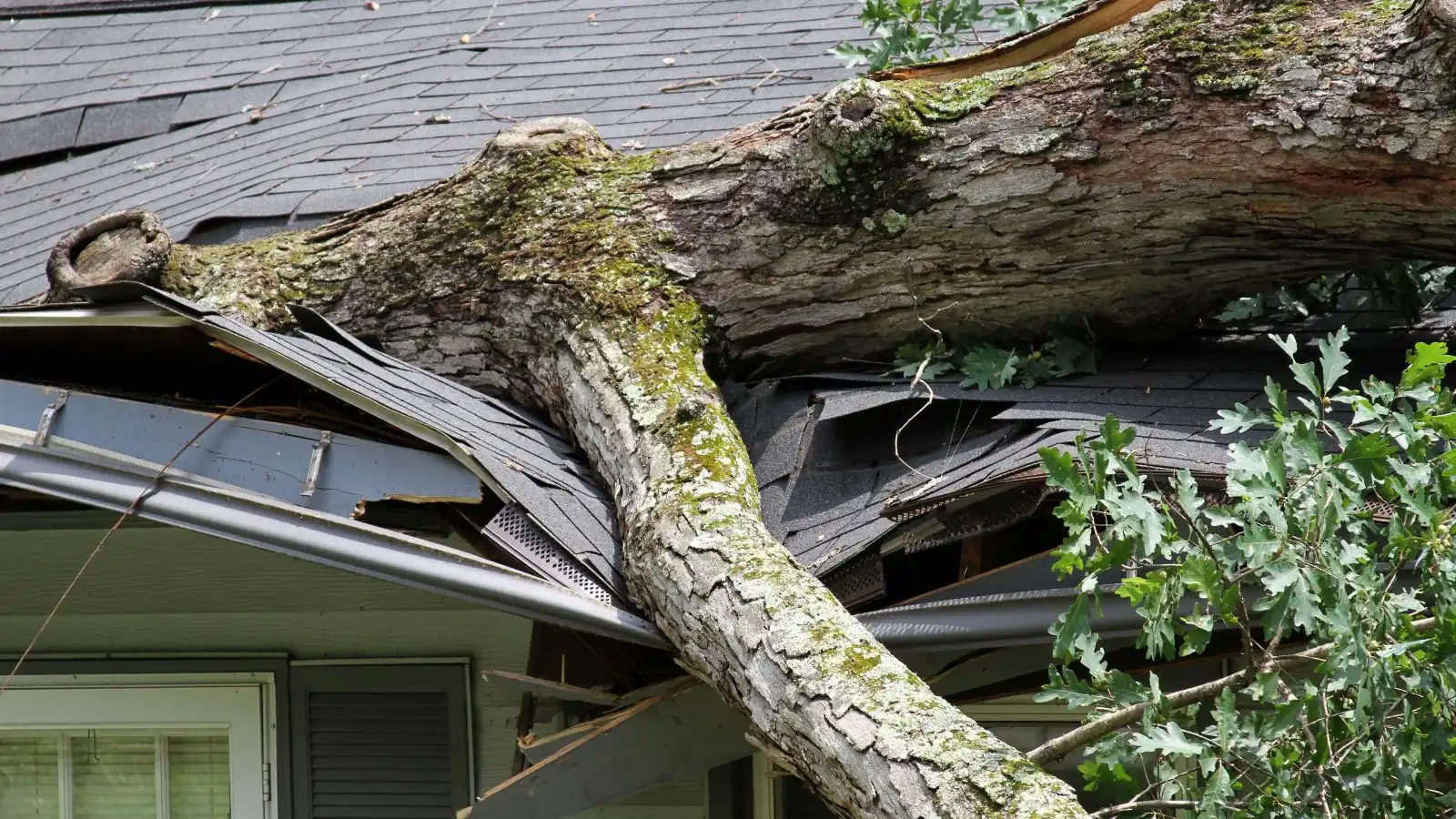
A fallen limb can open a section of roof and let rain pour into the house.
Storm surge and flooding.
Water from outside carries debris and contamination. See flood damage restoration.
Basement seepage.
Heavy rain and saturated soil push water into lower levels. See basement water damage cleanup.
How Cleanup Is Handled.
Cleanup depends on the water source. Rain that comes through the roof is generally clean at first and is dried. Water from outside is handled as contaminated, with removal of porous materials and cleaning of what stays.
The first step is extraction and securing the building. After that, equipment dries the structure while a roofer or contractor repairs the building envelope.
Insurance After a Storm.
Wind driven rain through a damaged roof is often handled differently from flood water. Standard homeowners policies generally exclude flood, which is covered by a separate policy. Water back-up and sewage coverage is typically an endorsement.
We keep photos and logs and write a scope for your adjuster. Your insurer decides coverage, and we do not name carriers.
Preparing Before the Next Storm.
Some steps reduce damage before a storm arrives. Clear gutters and downspouts, direct water away from the foundation, check the sump pump and its backup, and move valuables off basement floors. Know where the main water valve and the electrical panel are.
Take dated photos of each room and the exterior so you have a record of condition before a loss. Keep your insurance policy number and agent contact where you can reach them if the power is out.
Check whether your address is in a flood zone using the FEMA Flood Map Service Center, and review the difference between homeowners and flood coverage. If a storm does cause damage, ceiling water damage repair and the pages on drying explain what follows.
What Changes the Scope and Cost.
Water source.
Rain, flood water and sewage back-up have different handling.
Extent.
Several rooms or levels take more equipment and labor.
Building envelope.
Roof and window repair is separate from drying.
Timing.
Storm demand can affect scheduling, and we explain it when you call.
Reference Standards.
The ANSI/IICRC S500 is the published standard for professional water damage restoration, and it defines water categories 1 to 3 by how contaminated the source is. We cite it as a reference for Storm Water Damage Cleanup and not as a claim about any certification. The EPA advises drying water damaged materials within 24 to 48 hours to limit mold growth.
Questions About Storm Water Damage Cleanup in Mastic.
Yes. The line is answered 24 hours a day, every day, including during storms.
No. Roofers and window contractors repair the envelope. We dry the structure and document the loss.
Wind and rain damage may be covered, and flood generally requires separate flood insurance. Check your policy and ask your insurer.
Only if you can do so safely. Do not climb onto a wet roof. A roofer can tarp it.
Use the FEMA Flood Map Service Center for your address. We do not state flood zones for individual properties.
Storm water does not wait for repairs.
Call now and we will plan extraction and drying.
Call (934) 223-1875.