Emergency Water Heater Leak Cleanup in Mastic, NY.
A leaking water heater can empty a whole tank onto your floor. Learn the shutoff steps and how cleanup and drying work.
A leaking water heater is a 24/7 emergency, and the Mastic line is open all night. First, switch off power to an electric heater at the breaker or set a gas unit to its off or pilot setting.
Then close the cold water supply valve on the pipe feeding the tank. If you cannot reach the valve, close the main water shutoff, and keep away from the water if the heater is plugged into an outlet that may be wet.
Heaters usually sit in basements, utility rooms and closets, which means the water pools in finished space more often than people expect. This page explains cleanup, drying and what to document.
Where Water Heaters Leak From.
The tank itself.
Corrosion or a failed tank liner lets water pour from the bottom. A tank that has failed is replaced, not repaired.
Relief valve.
The temperature and pressure relief valve can discharge if pressure rises or the valve is worn.
Fittings and connectors.
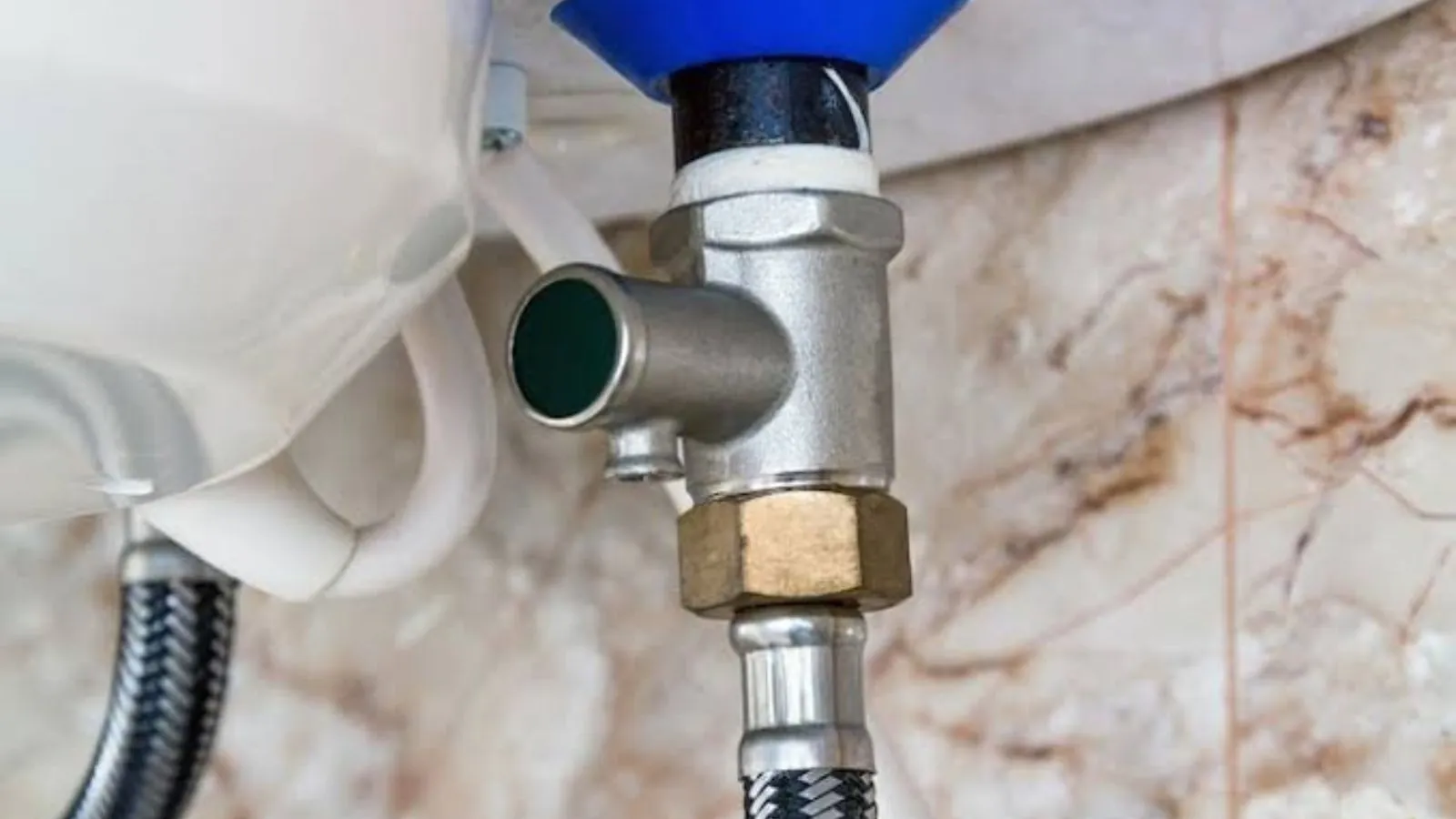
Braided hoses, shutoff valves and unions can drip for weeks before anyone notices.
Drain valve.
A loose or worn drain valve can seep slowly and rot the floor underneath.
Why the Damage Spreads More Than Expected.
A full tank holds a lot of water and releases it in minutes when the bottom fails. Water runs under walls into neighboring rooms, soaks drywall at the base and heads for any floor drain.
Slow leaks cause a different problem. Water collects in the base of the wall behind the heater, and stays there. By the time rust or a musty smell shows up, subfloor and baseboard may be soft.
Water heater leaking?
Call the 24/7 line. We will explain shutoff and what to do while it is wet.
Emergency Cleanup Steps.
Shut off power and water.
Switch off the heater and close the supply valve before anything else.
Open and dry.
Baseboards come off and wall bases are checked. Air movers and dehumidifiers dry the area.
Document the loss.
Photos, moisture readings and a written scope support your claim.
A plumber disconnects and replaces the heater. If a hose or fitting caused the leak, the repair may be small. We handle the water damage and coordinate drying while the plumber works.
Clues That Point to a Slow Leak.
A damp spot at the base of the wall, a rust ring on the floor, peeling paint near the heater or a flooring seam that is lifting are all signs of slow seepage. Mold may grow where moisture lingers, so the area is checked for mold before repair.
If the leak is in a basement or lower level, see basement water damage cleanup for how that space is dried.
Insurance Notes.
Sudden tank failures are often treated as covered losses, while long term seepage may be treated as maintenance. Policy wording decides, and your insurer makes the call. We do not promise approval or handle billing for the insurer.
Keep the old heater until your adjuster has seen it if possible, and photograph the model label, the corrosion and the water line.
Tankless Heaters, Drain Pans and Drain Lines.
Tankless heaters hold little water, but they connect to supply and gas lines and a condensate drain on high efficiency models. A clogged condensate line can overflow and wet the floor beneath the unit. Tank heaters often sit in a drain pan with a line to a floor drain or the outdoors.
If the pan is full or the line is blocked, the water has nowhere to go and will spill. Check the pan during maintenance visits, and replace a rusted pan. When a pan overflows into a finished area, the damage looks like an appliance leak and is dried the same way.
What Changes the Scope and Cost.
Time to discovery.
A slow leak found after weeks involves more rot than one stopped in minutes.
Flooring.
Finished flooring costs more to dry or replace than concrete.
Wall involvement.
Water in wall cavities means opening drywall.
Contents.
Boxes and stored items on the floor often need to be moved or discarded.
Reference Standards.
The ANSI/IICRC S500 is the published standard for professional water damage restoration, and it defines water categories 1 to 3 by how contaminated the source is. We cite it as a reference for Water Heater Leak Cleanup and not as a claim about any certification. The EPA advises drying water damaged materials within 24 to 48 hours to limit mold growth.
Questions About Water Heater Leak Cleanup in Mastic.
Yes. We answer 24 hours a day, every day. Shut off power and the supply valve if you can do so safely, then call.
No. A plumber replaces it. We handle the water, the drying and the documentation.
If you can, yes. Photograph the label and the damage, and let your adjuster decide what to keep.
Yes. Slow drips soak the wall base and floor over time and can lead to softened wood and mold.
It depends on what got wet. Technicians check moisture readings and stop when the area reaches normal levels.
A full tank empties fast.
Call now and we will handle extraction and drying while your plumber works.
Call (934) 223-1875.