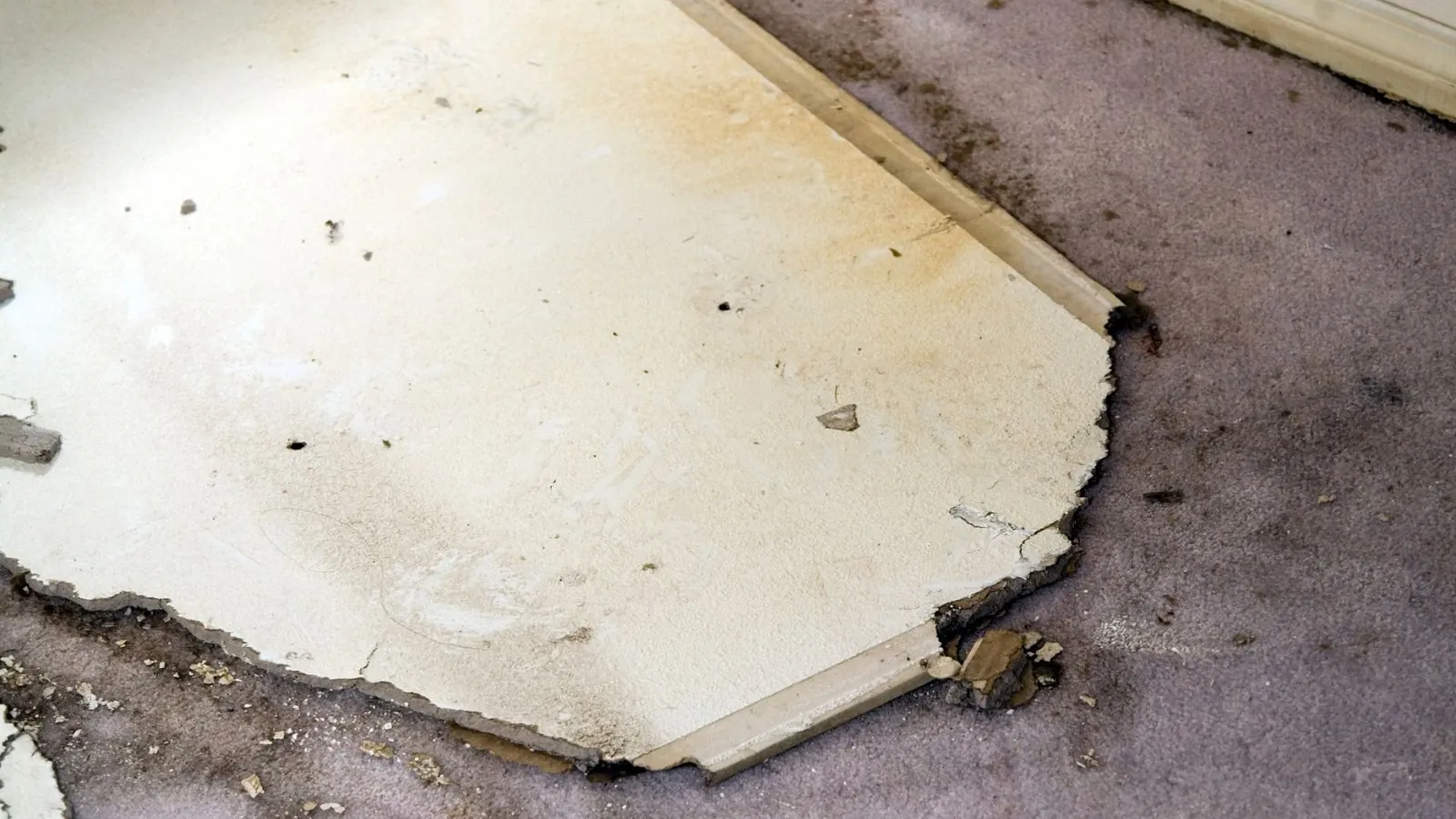
Mold needs water, a food source and time. After a leak or flood, building materials provide the food and the water, and the clock starts when they get wet. The EPA advises drying water damaged materials within 24 to 48 hours to limit mold growth.
That window is a guide, not a promise. Some materials hold water longer, some dry quickly and humidity changes everything. This guide explains what affects the timeline and what to do in the first two days.
A Rough Timeline.
| Time since the water. | What may be happening. | What to do. |
|---|---|---|
| First hours. | Water spreads and soaks porous materials. | Stop the source, remove standing water. |
| First 24 to 48 hours. | Mold growth can begin on wet porous materials. | Start drying, remove materials that cannot dry. |
| Several days. | Visible growth and musty odor may appear. | Have the area checked with moisture meters. |
| Weeks. | Growth can spread and materials may degrade. | Assess before cleaning, involve licensed professionals if large. |
These stages describe general conditions, not a promise about any building.
Mastic local note.
The EPA advises that water damaged materials be dried within 24 to 48 hours. The Suffolk County south shore has humid summers, so a closed damp room may stay wet longer than a room that is ventilated.
The New York State Department of Labor covers mold projects larger than 10 square feet under Article 32 of the Labor Law.
What Speeds It Up.
Porous materials.
Drywall paper, carpet, pad, ceiling tile and cardboard hold water.
Warm temperatures.
Heat and humidity encourage growth.
Still air.
Closed rooms with no air movement stay damp.
Contamination.
Dirty water carries nutrients that feed growth.
What Slows It Down.
Quick removal of standing water, active air movement and dehumidification all slow the clock. Dry materials do not support mold, so drying is the control. Lowering indoor humidity helps even when surfaces look dry.
Non-porous materials such as glass, metal and sealed tile are less susceptible, though dirt on them can support growth. Cleaning hard surfaces is part of the response to a flood.
The First Two Days.
Hour one.
Stop the source and remove standing water.
Day one.
Begin drying with air movers and dehumidifiers. Remove wet carpet pad and insulation that cannot dry.
Day two.
Check moisture readings in walls and floors. Open cavities if readings stay high.
Afterward.
Keep monitoring until materials match dry reference points.
If You Find Growth.
Do not scrub or spray a dry area. Stop and find the moisture source. New York law covers mold projects larger than 10 square feet and requires licensed assessors and contractors for them. See the Department of Labor site for a search tool.
We do not make health claims about mold. If someone in your household is concerned about symptoms, they should speak to a doctor.
Moisture Content and Materials.
Every material has a typical dry range. Drywall and framing lumber sit at low moisture content when dry, and they hold much more when wet. Mold needs surface moisture that is available to the organism, not just a damp feel.
That is why technicians compare readings with dry reference points in the same building. The goal is to bring each material back to its normal range, not to feel dry to the touch.
What Happens If Drying Starts Late.
If days pass before drying starts, materials may need to be removed instead of dried. Carpet pad, insulation and wet drywall are the usual candidates. Removing them is not a failure. It is the practical way to stop growth when drying time has passed.
If you find a leak that has been running for some time, tell the technician. The timeline helps decide how much to open and whether to involve a licensed assessor.
What To Do If You Cannot Dry Everything Quickly.
Sometimes a loss is too large to dry in two days, or you find the water late. In that case, prioritize removing standing water, opening wet cavities and removing materials that cannot dry, such as soaked carpet pad.
Keep the air moving and humidity down, and keep monitoring. If a musty smell grows or you see discoloration, stop and have the area assessed instead of covering it. A technician can set priorities and explain what must be removed.
Checking Hidden Areas Within the First Week.
The first week matters most. Look inside cabinets, behind baseboards, under sinks and along the bottom of walls. Water can hide in cavities where air does not move, and those spots dry last.
A moisture meter helps, and a technician can use thermal imaging to find damp areas behind surfaces. If readings stay high after several days of drying, ask what is keeping the material wet.
Keep notes of readings and dates. They show whether the structure is drying and when it is safe to close walls.
Standards and Sources.
The ANSI/IICRC S520 is the published standard for professional mold remediation, and New York Labor Law Article 32 sets the licensing rules for projects over 10 square feet. We cite both as references for how long mold takes to grow. They describe how the work is planned and who may do it, and they are not a claim about any certification.
Acting Inside the Window.
The window is short, so a quick response matters. Water extraction and structural drying are the first steps after a loss.
Homes in East Moriches and Upton are within our service area.
Questions Readers Ask.
No. It can begin within that window on wet porous materials, but conditions vary. Drying quickly lowers the risk.
Yes, when a cavity stays wet. That is why moisture meters and thermal cameras matter after a leak.
Hidden moisture may remain. A moisture reading behind the wall tells you whether the cavity is dry.
No. Drying addresses the cause. Bleach does not remove moisture from porous materials.
Humid weather slows drying and helps growth. Dehumidifiers are part of drying in humid months.
Need a hand with the next step?
Call and we will explain scope and price before work starts.
Call (934) 223-1875.