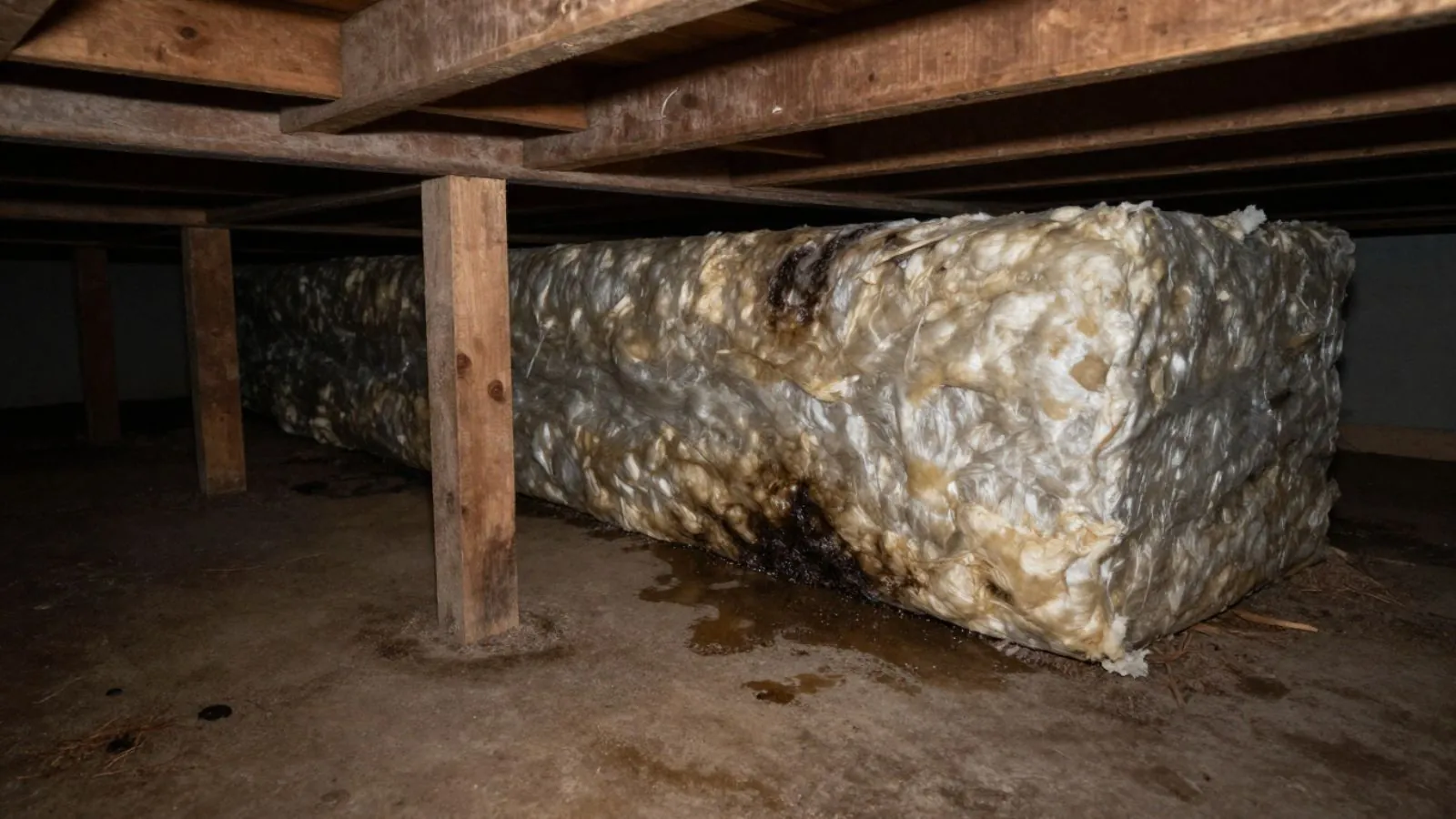
Wood is a porous material, and mold can sink roots into it. Whether you can clean it depends on how large the area is, how deep it goes and why it grew in the first place.
This guide covers how to judge a small job, the cleaning steps for surface growth on sealed or finished wood, and signs that mean you should stop. It does not make health claims, and it does not promise that mold will not return.
Decide Whether This Is a DIY Job.
Small and on the surface.
A patch smaller than 10 square feet on finished or sealed wood can often be cleaned by the owner.
Deep in the grain.
Dark staining that has gone into rough or unfinished wood may not come out.
Soft or crumbling wood.
Rot means the wood has lost strength. It needs replacement, not cleaning.
Large or hidden.
Growth in a wall, attic or crawl space needs an assessment first.
New York law applies to mold projects larger than 10 square feet. Under that size, the law does not apply, but the moisture still has to be fixed.
Mastic local note.
The New York State Department of Labor states that Article 32 does not require a homeowner to clean up mold, and it applies to projects larger than 10 square feet. Licensed contractors can be found through the Department of Labor search tool.
The Town of Brookhaven Division of Building administers the building code, so ask them if replacing framing or sheathing requires a permit.
Fix the Moisture First.
Mold grows because wood stays damp. Cleaning without fixing the leak, condensation or humidity just resets the clock. Repair the leak, run a dehumidifier and improve air flow before you clean.
If the wood was wet from a leak or flood, drying comes first. See the work described in structural drying and dehumidification for how wet framing is dried.
Safe Surface Cleaning Steps.
Protect yourself.
Wear an N95 respirator, gloves and eye protection, and ventilate the space.
Contain.
Cover nearby surfaces and keep the area closed off. Avoid dry brushing.
Wipe.
Use a damp cloth with detergent and water, working from the edge toward the center.
Dry thoroughly.
Dry the wood completely with a cloth and a fan. Discard the cloths in a sealed bag.
Do not mix bleach with ammonia or other cleaners, because the fumes are dangerous. Bleach does not penetrate wood well and adds moisture.
What To Avoid.
Do not sand moldy wood in an occupied home, because sanding puts spores in the air. Do not paint over mold, since paint can peel and trap moisture. Do not use a pressure washer indoors.
Do not rely on sprays that promise to kill mold permanently. Any product used on wood should be paired with a dry surface and a fixed moisture source.
When Wood Must Be Replaced.
If wood is soft, crumbling or deeply stained, or if mold has spread through framing, replacement is usually the answer. Structural members need to be evaluated by a qualified professional before anything is cut out.
Large projects fall under New York licensing. A licensed assessor writes the plan, and a separate licensed contractor performs the work.
Wood Types and How They React.
Softwoods such as pine are porous and take up water readily, so mold can sink in. Hardwoods and plywood with a sealed finish resist surface growth better. Unfinished framing in a crawl space or attic is the most vulnerable because it has no protective coating.
Finished furniture and trim can often be cleaned with detergent and dried. Raw wood with deep staining may need sanding by a professional after the moisture is fixed, or replacement if it is soft.
Protecting the Room While You Work.
Close doors, shut off air returns in the room and cover nearby furniture with plastic. Run a fan in a window blowing outward to pull air out of the room, not into the rest of the house.
Bag cloths and sponges in plastic before you carry them out. Wash your clothes separately and wash your hands afterward. If you start to feel unwell while cleaning, stop and leave the area.
Rooms Where Mold Hides First.
Bathrooms, laundry rooms, basements and kitchens are the usual starting points because they have water sources and limited air movement. Look behind toilets, under sinks, around window frames and along the bottom of exterior walls.
Closets on outside walls can stay cool and damp, especially in humid months. Move stored items a few inches from the wall so air can circulate, and check the back corners from time to time.
Attics deserve a look after a roof leak or a period of heavy condensation. Staining on the underside of the roof deck or on framing near vents is worth having assessed.
Standards and Sources.
The ANSI/IICRC S520 is the published standard for professional mold remediation, and New York Labor Law Article 32 sets the licensing rules for projects over 10 square feet. We cite both as references for how to clean mold off wood. They describe how the work is planned and who may do it, and they are not a claim about any certification.
If the Wood Is Part of the Structure.
Wood framing behind a wall or in a basement is a job for mold remediation when the area is large. If wood in a damp lower level is the issue, basement water damage cleanup explains how that space is dried.
Nearby, see Manorville and East Moriches for local service details.
Questions Readers Ask.
Some people use it on small surface growth. It does not fix the moisture, and it adds liquid. Dry the wood fully afterward.
Bleach adds moisture and does not penetrate wood well. Never mix it with ammonia or other cleaners.
Only if the moisture problem is fixed. Wood that stays damp will grow mold again.
Article 32 covers projects larger than 10 square feet. Smaller areas are outside the law, but the moisture still needs fixing.
Humid summers and storm water can keep basements and crawl spaces damp. Dehumidifiers and repairs reduce the risk.
Need a hand with the next step?
Call and we will explain scope and price before work starts.
Call (934) 223-1875.