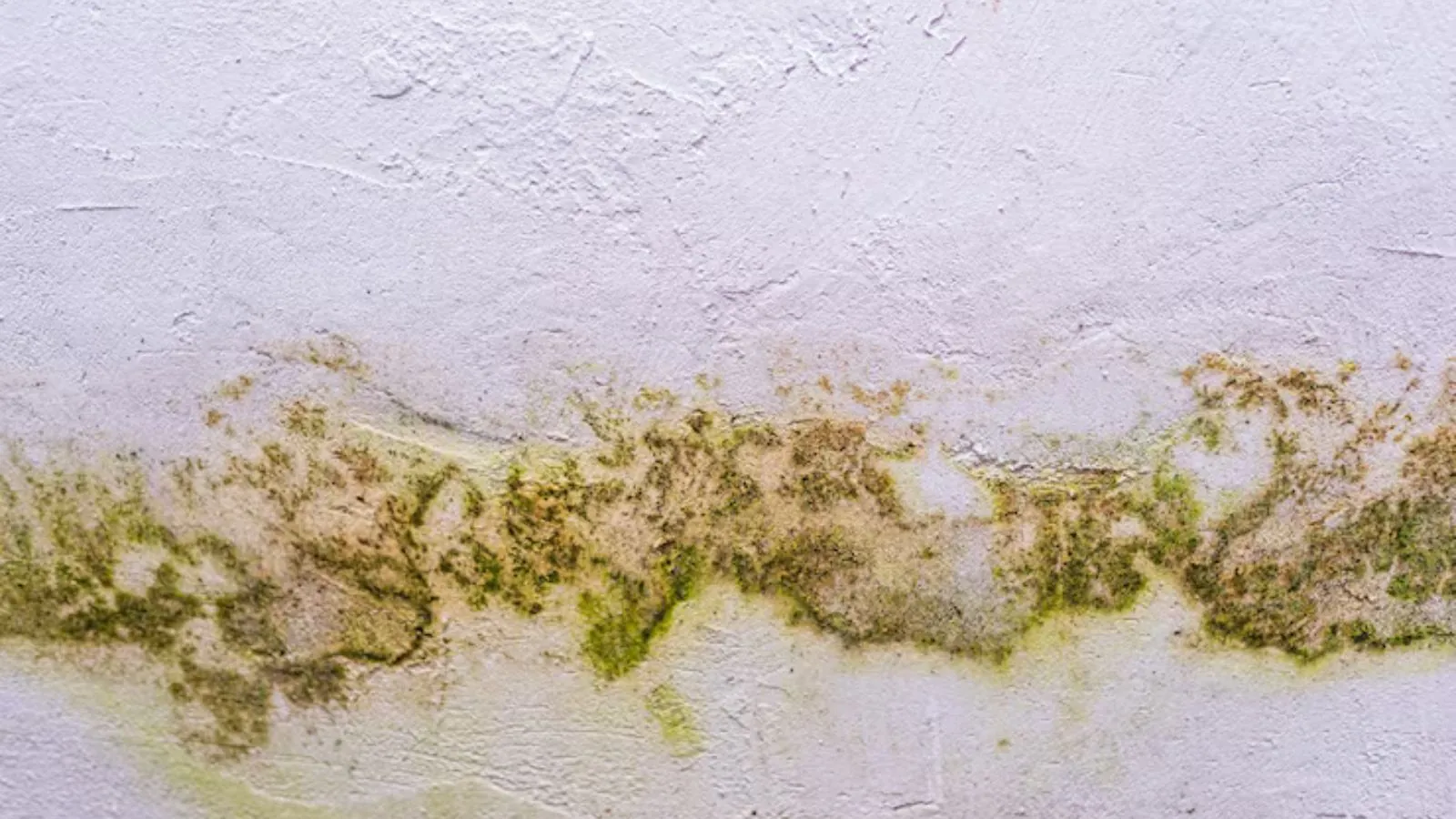
Mold needs moisture, and moisture leaves clues. A smell, a stain, peeling paint or a damp corner can all point to a place worth checking. Finding the water is more important than finding the mold.
This guide covers visible signs, hidden signs, simple checks you can do and when to bring in a licensed professional. We do not make health claims, and we do not tell you what is or is not mold from a photograph.
Visual Clues.
Discolored spots.
Black, green, white or gray patches on walls, ceilings, grout or wood.
Water stains.
Brown rings or streaks that grow after rain or use of a fixture.
Peeling or bubbling paint.
Moisture behind paint pushes it away from the surface.
Warped materials.
Cupped wood, swollen baseboards and sagging drywall.
Not every dark spot is mold. Dirt, soot and mineral deposits can look similar. The pattern matters, and so does what is behind it.
Mastic local note.
The New York State Department of Labor administers Article 32 and offers a search tool for licensed mold professionals. The law covers projects larger than 10 square feet and does not require a homeowner to clean up mold.
The EPA advises drying water damaged materials within 24 to 48 hours to limit mold growth, which is why quick action after a leak matters.
Smell and Moisture Clues.
A musty smell that returns in a closed room is a common clue. It can come from damp materials even when nothing is visible. A basement that smells worse after rain or a closet that smells damp in summer deserves a closer look.
Persistent condensation on windows, a humidity reading above 60 percent on a hygrometer and a crawl space that feels clammy are all moisture clues. Homeowners can buy a hygrometer for a small cost and track a room over a few days.
Places Mold Hides.
| Location. | Why moisture collects. | What to check. |
|---|---|---|
| Under sinks. | Supply and drain leaks. | Cabinet floor and back wall. |
| Around windows. | Condensation and leaks. | Sills, frames and trim. |
| Basements and crawl spaces. | Groundwater and humidity. | Walls, joists and stored boxes. |
| Behind appliances. | Hoses and condensation. | Wall base and floor. |
| Attics and top floor ceilings. | Roof leaks and poor venting. | Underside of roof sheathing and insulation. |
Simple Checks at Home.
Look first and touch last. Use a flashlight to inspect corners and the bottoms of walls. Note the size of any area and take photos with a ruler or coin for scale. Check for the source, such as a leaking pipe, dripping fixture or damp window.
Do not disturb visible growth. Brushing or vacuuming can spread spores. If the area looks larger than a few feet across, or if you suspect growth inside a wall, stop and call someone qualified.
When To Call a Licensed Assessor.
New York law applies to mold projects larger than 10 square feet. Under Article 32 of the Labor Law, a licensed assessor inspects, may sample and writes a protocol, and a separate licensed remediation contractor does the removal.
You can search for licensed professionals on the New York State Department of Labor site. If you only need to understand whether you have a moisture problem, a general inspector or a restoration company can help with moisture readings.
Using a Moisture Meter and a Hygrometer.
A moisture meter measures the moisture content of drywall, wood and other materials. A pin type reads between two metal pins pushed into the surface, and a pinless type scans through the surface. Both give relative readings, and technicians compare them with dry areas of the same house.
A hygrometer measures humidity in the air. The EPA suggests keeping indoor humidity below about 60 percent. Place one in a basement or bathroom, check it for a few days and note whether numbers spike after rain or showers.
Why Photos and Notes Help.
Take dated photographs of any suspicious area and note where it is and how large it looks. A coin or ruler in the frame shows scale. Repeat the photos a week later to see whether the area changes.
These records help a professional decide what to do. They also help your insurer if a claim follows a leak. Notes that say when you first noticed a smell or a stain are as useful as the pictures.
Keeping a Record for Later.
Whatever you decide about a claim, keep a folder with your policy, photos, invoices and notes about who you spoke with. Add the date of every call and a short summary of what was said. A complete record is useful if a question comes up months later.
If a denial letter arrives, read it closely. A denial must cite the policy language it relies on, so compare that wording with your policy. Ask the insurer to explain any term you do not understand, and keep its answer in writing.
Mold coverage often depends on what caused the moisture. A covered water loss followed by prompt drying is viewed differently from long-term seepage. Your agent can explain how your own policy treats each case.
Standards and Sources.
The ANSI/IICRC S520 is the published standard for professional mold remediation, and New York Labor Law Article 32 sets the licensing rules for projects over 10 square feet. We cite both as references for how to detect mold in your home. They describe how the work is planned and who may do it, and they are not a claim about any certification.
Fixing the Water First.
Mold returns if the moisture does. Mold remediation explains how New York licensing, inspection and containment work, and structural drying explains how wet materials are dried.
Homes in Brookhaven and Center Moriches face similar moisture patterns near the bay and creeks.
Questions Readers Ask.
No. Appearance is not reliable. A licensed assessor inspects, and sampling may be used when needed.
Not always, but it means moisture is likely. Find the source of the water first.
Home kits do not tell you what to do next and can be misleading. A moisture check and a licensed assessor give more useful information.
Article 32 applies to projects larger than 10 square feet. Smaller areas fall outside the law, but the moisture still needs fixing.
Under sinks, around windows, in basements and crawl spaces, and in attics. Humid summers and storm water can raise moisture in those places.
Need a hand with the next step?
Call and we will explain scope and price before work starts.
Call (934) 223-1875.