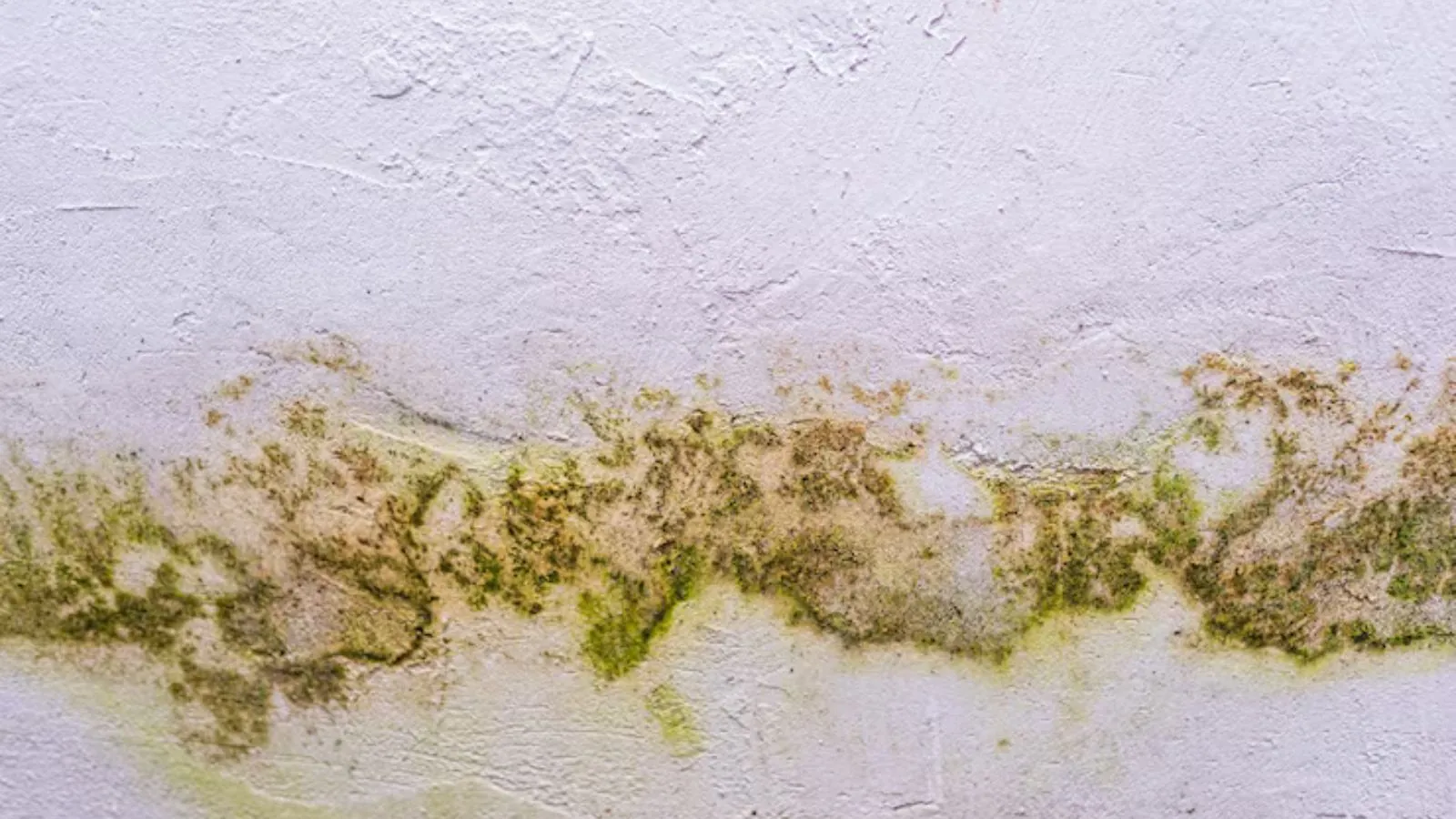
Mold clearance testing happens after remediation. It checks whether the work area met the standards in the plan, and it produces a written report that a buyer, lender or insurer may ask to see.
This guide explains what clearance is, who is allowed to do it in New York, what the report typically contains and how to prepare for a sale or refinance. It does not promise a specific result.
What Clearance Means.
After a licensed contractor removes mold, a licensed assessor returns to check the area. The assessor reviews the work against the written protocol, looks for visible growth and may take air or surface samples. The result is a report stating whether the work area is cleared.
Clearance does not say a house will never have mold again. It says the specific area met the standard on that day. Moisture sources still need to be controlled.
Mastic local note.
The New York State Department of Labor administers Article 32 and offers a search tool for licensed mold professionals. Under the law, a contractor may not both assess and remediate the same property.
The law applies to mold projects larger than 10 square feet. Smaller areas fall outside it, though lenders and buyers may still ask for documentation.
Who Does What in New York.
| Role. | Who does it. | Why it is separate. |
|---|---|---|
| Assessment and protocol. | Licensed mold assessor. | Writes the plan and does not do the removal. |
| Remediation. | Licensed mold remediation contractor. | Carries out the plan and does not do the assessment. |
| Clearance. | Licensed mold assessor. | Checks the work after removal. |
Under Article 32 of the Labor Law, one contractor may not both assess and remediate the same property.
What a Clearance Report Contains.
Scope reviewed.
The area and the plan the assessor checked.
Visual findings.
Whether visible growth remains in the work area.
Sampling results.
Lab results, if samples were taken, with the method used.
Assessor details.
License information and the date of the inspection.
Preparing for a Sale or Refinance.
If you plan to sell, keep the assessment, the protocol, the remediation records and the clearance report together. A buyer or lender may ask for all of them. Ask your agent or lender what they require, because requirements differ.
If a buyer raises mold during an inspection, ask for the inspector's findings in writing. A licensed assessor can evaluate whether the issue is moisture, an old stain or active growth.
Steps To Take.
Fix the moisture.
Repair the leak or humidity source before remediation.
Hire a licensed assessor.
Check their license on the Department of Labor site.
Hire a separate licensed contractor.
The remediation contractor must be independent of the assessor.
Order clearance.
The assessor checks the work and provides a report.
Air Samples and Surface Samples.
An assessor may take air samples, which count spores in a measured volume of air, and surface samples, which pick up material from a surface. Samples are sent to a laboratory. Air samples taken indoors are often compared with a sample taken outdoors at the same time.
Results need interpretation. They are not a pass or fail on their own. The assessor considers the visual findings, the moisture readings and the sample results together before writing the report.
Timing and Practical Planning.
Plan for clearance after remediation and after the area has been cleaned and dried. If a closing date is near, tell the assessor and the contractor early so the schedule allows for sampling and lab time.
Ask the assessor how long the report will take. Keep copies in your house file. If a buyer later asks about past mold, you can hand over the full package at once.
What Clearance Does Not Cover.
Clearance covers the work area that was part of the remediation plan. It does not cover rooms outside the plan, and it does not cover hidden moisture the assessor could not reach. If a new leak occurs, new growth may follow.
For that reason, keep moisture control in place after clearance. Fix leaks quickly, use bathroom fans and monitor humidity. A clearance report is a snapshot, and good maintenance keeps it relevant.
Planning the Timeline With a Buyer or Lender.
If a sale or loan depends on the result, share the testing schedule early. Lab turnaround, access to the property and any re-cleaning all add days. Build in time so a retest does not push the closing date.
Ask the assessor what the report will say and who will receive it. Agree on this before work starts, so the document matches what the buyer or lender asked for.
Keep the remediation plan, the clearance report and the invoices together. They show what was done, when and by whom.
What To Do While You Decide.
- Photograph what you see before anything is moved or cleaned.
- Fix or shut off the water source if you can do it safely.
- Do not touch electrical items while standing in water.
- Write down dates, readings and who you spoke with.
- Call the line if you want a second opinion on the next step.
Standards and Sources.
The ANSI/IICRC S520 is the published standard for professional mold remediation, and New York Labor Law Article 32 sets the licensing rules for projects over 10 square feet. We cite both as references for mold clearance testing. They describe how the work is planned and who may do it, and they are not a claim about any certification.
Related Work.
If water damage led to mold, mold remediation explains inspection, testing and the licensed steps. Structural drying explains how the area is dried to remove the cause.
Property in Center Moriches and East Moriches may need the same records at sale.
Questions Readers Ask.
A licensed mold assessor under New York Article 32. The Department of Labor offers a search tool, and the assessor must be independent of the remediator.
No. It documents the condition of the work area after removal. Moisture control is what prevents a return.
No. Requirements vary. Ask your lender or agent what they need.
Not on the same property under New York law. A separate licensed assessor does it.
The assessor reports what remains. The contractor corrects it, and the assessor checks again.
Need a hand with the next step?
Call and we will explain scope and price before work starts.
Call (934) 223-1875.