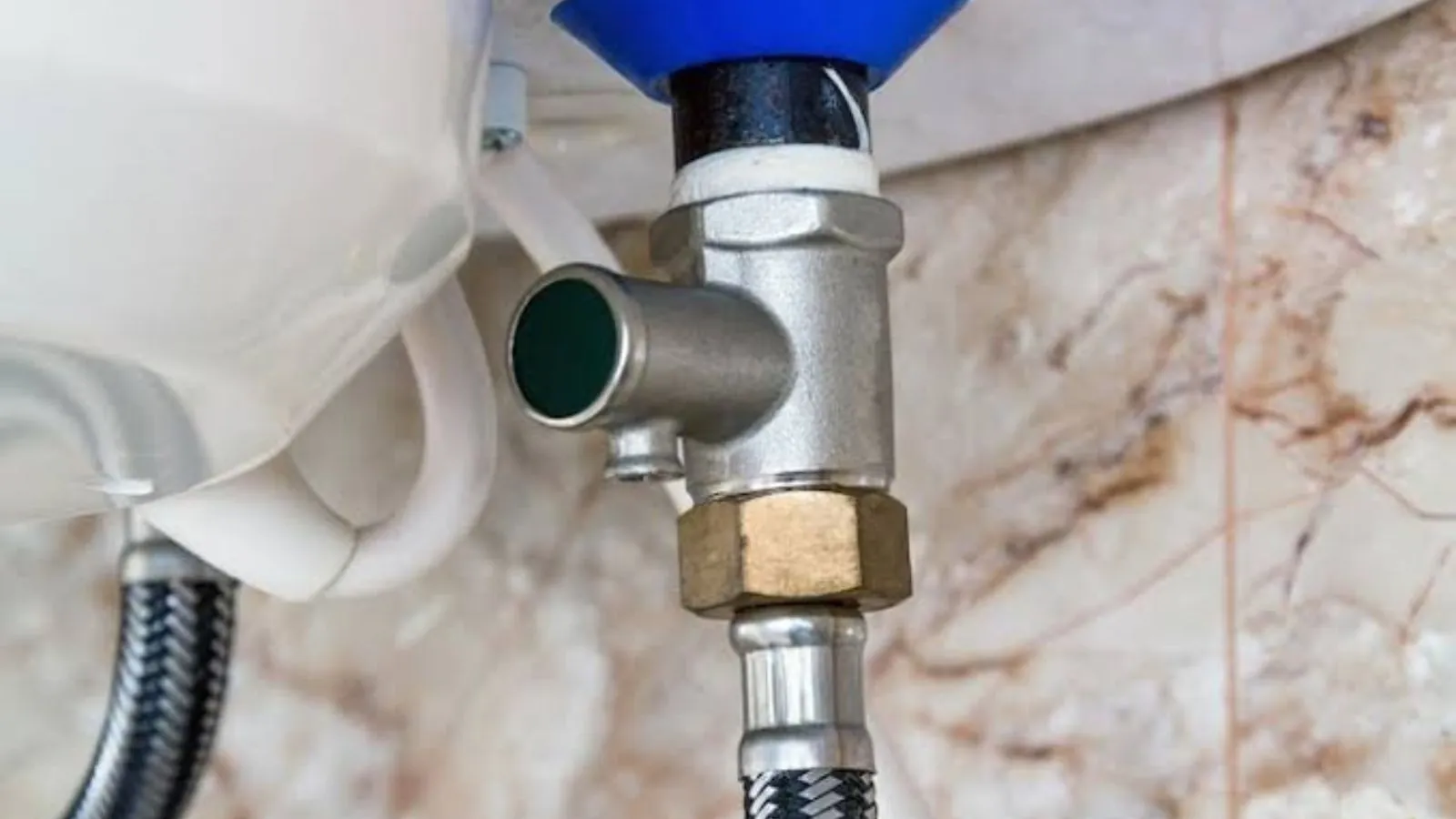
Most serious water losses are found within hours when someone is home. When no one is there, the same failure can run for days. A supply hose, a water heater or a frozen pipe does not care that you are on vacation.
This guide gives a checklist you can use before a trip, with extra steps for winter and for homes that sit empty for long periods. It lowers risk, and it does not remove it.
Before You Leave: The Core Checklist.
- Close the main water shutoff, or at least the lines to the washer and dishwasher.
- Check hoses and connections under sinks and behind appliances.
- Check the water heater and turn it to vacation mode or off for long trips.
- Test the sump pump if you have one, and confirm it has power.
- Clear gutters and downspouts so rain goes away from the house.
Closing the main valve is the single most effective step. With the water off, a failed hose or fitting cannot flood the house.
Mastic local note.
The 2020 Census counted 9.7 percent of housing units in East Moriches as vacant, higher than in Mastic at 4.9 percent. Seasonal and vacant homes are exactly the properties where a leak can run unnoticed.
Mastic is a hamlet in the Town of Brookhaven with 4,792 housing units in the 2020 Census. A neighbor check is a practical safeguard in a residential area like this.
Winter and Cold Weather.
Keep the heat on.
Set the thermostat to a safe minimum and do not turn the heat off.
Open cabinet doors.
Doors under sinks on exterior walls let warm air reach pipes.
Drain exposed lines.
Drain outdoor spigots and irrigation lines before freezing weather.
Ask someone to check.
A neighbor can look inside the house after a cold snap.
See frozen pipe water damage for what happens when a pipe splits.
Technology That Helps.
Leak sensors are inexpensive and sit on the floor near water heaters, washers and under sinks. They send an alert to your phone when they detect water. Smart shutoff valves can close the main automatically when a sensor trips.
Make sure the sensors have fresh batteries and a strong Wi-Fi signal. A sensor that cannot reach your phone does not help when you are away.
Arrange a Check.
Choose a contact.
Give a neighbor or family member a key and your trip dates.
Share shutoff locations.
Show them where the main valve and the breaker panel are.
Leave instructions.
Write who to call if there is water, including a restoration company.
Check after storms.
Ask them to look after heavy rain, high wind or freezing weather.
If You Come Home to Water.
Close the main valve, turn off power to wet rooms and photograph the damage before moving anything. Call your insurer and a restoration company. Wet materials start to degrade within a day or two, so act quickly.
See water extraction for what happens first. If the water has been there for days, mention it when you call, because mold risk is higher.
Appliances and Plumbing To Check.
Before you leave, look at the hoses behind the washing machine and the dishwasher, at the supply line to the toilet and at the ice maker line. Replace any that are bulging, cracked or rusty. Rubber hoses can fail without warning after years of service.
Check the water heater for rust, dampness and puddles. If it is old, think about replacing it before it fails. A drain pan under the unit helps catch small leaks.
Roof, Gutters and Outdoor Water.
Clear gutters and downspouts so rain does not pool against the foundation. Check that windows and doors seal well, and that nothing blocks drainage from the yard. After a storm, ask your contact to check the attic and ceilings for stains.
Disconnect hoses from outdoor spigots in cold weather. Close interior shutoffs for outdoor lines and open the outdoor valve to let water drain.
Long Absences and Seasonal Homes.
For a house that sits empty for weeks or months, a regular check matters. Ask someone to run each tap and flush each toilet to keep traps filled, check ceilings and floors for stains and look at the water heater and appliances.
Think about turning off the water and draining lines when the house is closed for the season. Make sure heat stays on at a safe minimum in cold months, or have a plumber winterize the system.
Standards and Sources.
The ANSI/IICRC S500 is the published standard for professional water damage restoration, and it defines water categories 1 to 3 by how contaminated the source is. We cite it as a reference for preventing water damage while away and not as a claim about any certification. The EPA advises drying water damaged materials within 24 to 48 hours to limit mold growth.
If Something Does Go Wrong.
Call the 24/7 line and describe what you see. Burst pipe water damage explains the first steps, and water extraction explains how standing water is removed.
We serve East Moriches and Center Moriches, where many homes are seasonal.
Questions Readers Ask.
Closing the main valve is the best way to prevent a flood from a failed hose or fitting.
No. Keep the heat on at a safe minimum so pipes do not freeze.
They alert you quickly when water appears, and smart valves can shut the main automatically. They need power and a connection.
After storms and cold snaps, and at regular intervals. Give them shutoff locations and instructions.
Drain exposed lines, keep heat on at a minimum, close the main valve if leaving for long, and arrange a neighbor check.
Need a hand with the next step?
Call and we will explain scope and price before work starts.
Call (934) 223-1875.