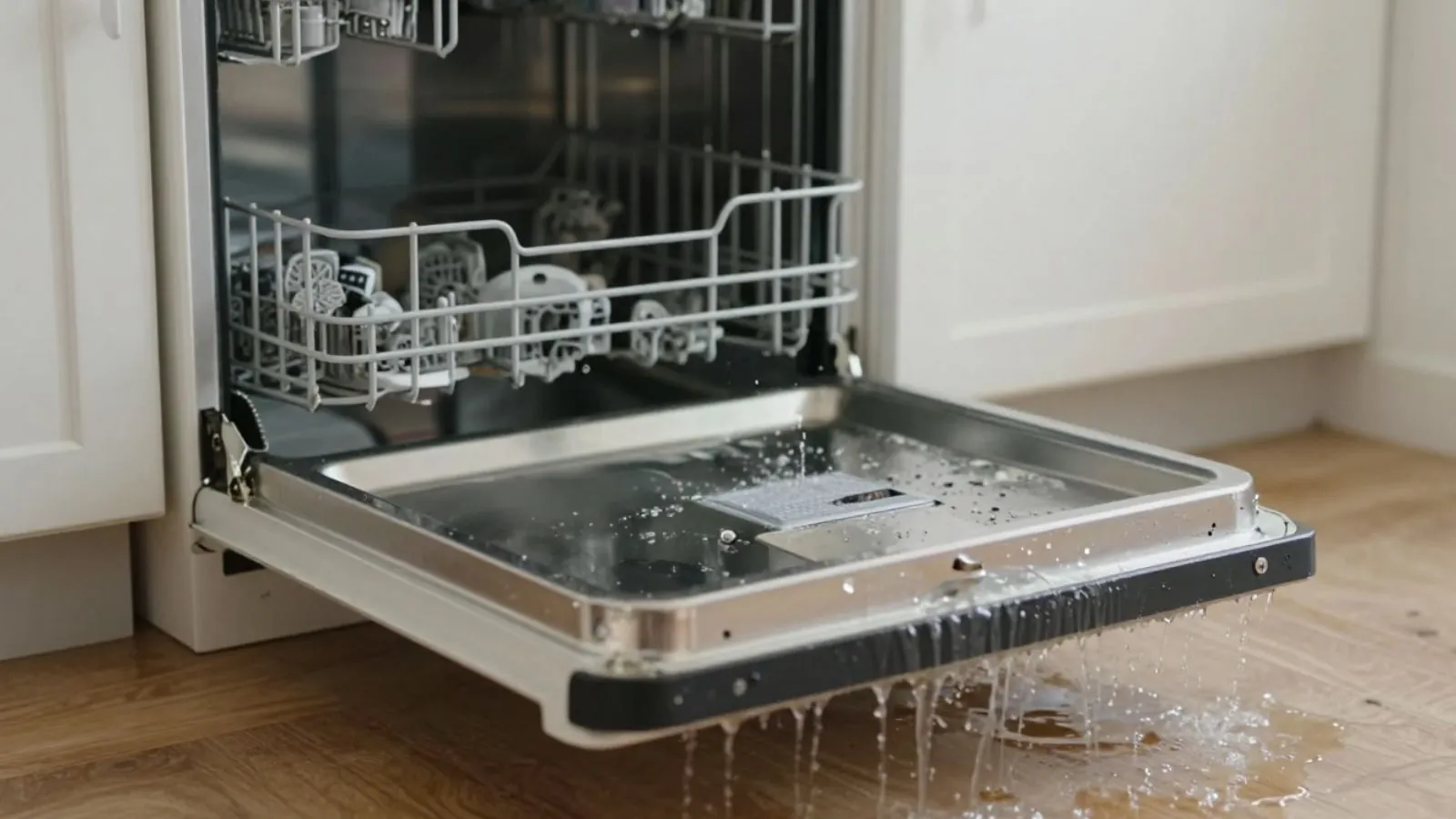
Small leaks create a real dilemma. The visible damage looks minor, the deductible may be larger than the repair, and some homeowners worry that a claim will affect their premiums. Yet a small leak that is not dried can grow into a larger problem.
This guide lays out the questions to ask, how to document a small loss in either case, and why drying matters whichever way you decide. It is general information, not insurance advice, and your policy and your insurer decide coverage.
Compare the Cost to the Deductible.
Start with your deductible, which is the amount you pay before coverage applies. If the repair is likely to cost less than the deductible, a claim may not pay anything. If the damage is larger than it looks, a claim may be worthwhile.
Get a written scope from a restoration company before deciding. Moisture meters show whether water went further than the surface, and the scope tells you what the repair will include.
Mastic local note.
The New York Department of Financial Services provides consumer guidance on homeowners insurance, including how denials should cite policy language. Check its site for the rules that apply to claim handling.
In a hamlet like Mastic, where many homes are older and plumbing and appliances vary in age, a quick moisture check often reveals more than a visual look. That check also gives you a record if you decide to report the leak later.
What Else To Think About.
Policy terms.
Read the section on water damage and the exclusions. Slow leaks are often excluded.
Claims history.
Insurers may track claims. Ask your agent how claims are recorded and how they might affect renewal.
Hidden damage.
A small stain may sit over a wet wall or floor. Check before deciding the loss is small.
Reporting deadlines.
Policies may require notice within a set time. Ask your agent before you wait.
Ask Before You Decide.
Call your agent or insurer with a question, not a claim. Ask what a typical claim for the problem would involve and whether the loss is likely to be covered. Note who you spoke to and when.
Some homeowners find it helpful to ask whether a claim inquiry is recorded differently from a filed claim. Policies and practices differ, so ask directly.
Dry It Either Way.
Whether or not you file, dry the area. Wet materials can lead to rot, odor and mold, and drying early avoids larger repairs. The EPA advises drying water damaged materials within 24 to 48 hours.
A restoration company can dry a small area quickly and record readings. If you later decide to file, those records support the claim.
Document a Small Loss.
- Photograph the source and the damage before anything is cleaned up.
- Record the date, the time and what you did.
- Keep the failed part and any receipts.
- Save moisture readings and the scope of work.
A Practical Way To Think About It.
Think of three numbers: the likely repair cost, your deductible and the cost of the worst case if the damage is bigger than it looks. A claim is a tool for the third number. If the worst case is a rotted subfloor or mold behind a wall, the small claim may be worth it.
Ask a restoration company for a moisture reading before you decide. A reading takes little time and replaces guessing with data.
Mitigation Records Are Valuable Either Way.
Keep photographs, moisture logs and receipts even if you do not file. If a problem shows up later, you can show what happened and what you did. This also helps when you sell the house, since a buyer may ask about past water events.
Store the records with your house documents. Add the plumber invoice and any repair photographs. A tidy file is worth the effort.
Talking to Your Agent Without Filing.
You can ask general questions about coverage without starting a claim. Describe the situation in neutral terms, ask how it would be handled and write down the answer. Some agents will tell you plainly whether a small loss is likely to be worth reporting.
Ask whether there is a deadline to report a loss and whether a late report would matter. Ask whether mitigation costs are paid when a claim is filed. Keep your notes with your policy, since they show what you were told and when.
If you decide not to file, you can still keep a record of the repair. A dated record of the leak and the fix may help later.
Standards and Sources.
The New York Department of Financial Services publishes guidance on homeowners insurance, including that standard policies do not cover flood and that a denial must cite policy language. We cite it as a reference for filing a claim for a small water leak. Your policy and your insurer decide coverage.
Helping With the First Steps.
Small leaks often start with an appliance or a pipe. See appliance leak water damage and water heater leak cleanup for typical sources.
We also serve Center Moriches and Brookhaven with the same approach.
Questions Readers Ask.
It might, and practices differ among insurers. Ask your agent how claims and inquiries are handled before you file.
It depends on the cause and the policy. Sudden leaks are often covered, and slow leaks often are not.
Yes. Prevent further damage and keep records and receipts. Photograph the area first.
A claim may not pay anything, though you may still want documentation of the loss.
Use a moisture meter. A stain on a ceiling or wall may sit over a larger wet area.
Need a hand with the next step?
Call and we will explain scope and price before work starts.
Call (934) 223-1875.