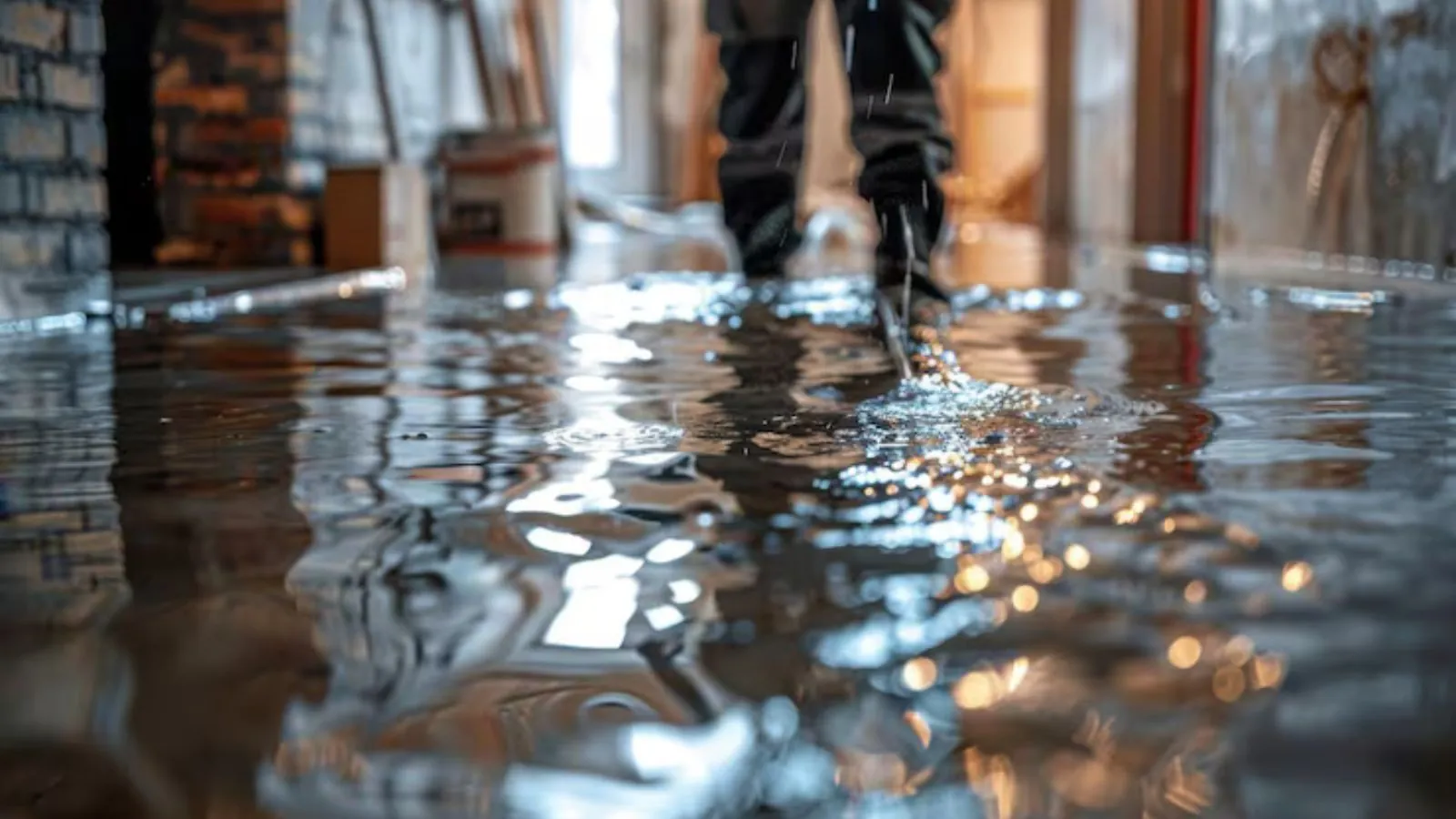
An insurance claim for water damage is built from records. The better the photographs, dates and receipts, the easier it is for an adjuster to understand what happened and what it cost to put right.
This guide lists the documentation to gather and the steps to follow, in order. It is general information, and your policy and your insurer decide coverage.
The First Hour.
Stop the water if it is safe. Shut off the main valve for a supply line failure, and cut power to wet rooms from the breaker. Then record the scene before anything is moved.
Take wide photographs of each room, close photographs of the source and the worst damage, and a slow video walk through the space. Include the water line on walls and any damaged belongings.
Mastic local note.
The National Weather Service forecast office for the New York area is in Upton and issues warnings and storm summaries around the clock. If your loss followed a storm, the date of the event can help place it in your claim.
The Town of Brookhaven Division of Building administers the building code, and permit rules vary by repair. Ask them what applies before rebuilding.
What To Document.
The source.
Photograph the failed pipe, hose, appliance or roof area. Keep the part if you can.
The date and time.
Write down when you found it, when you shut off the water and who was present.
Damaged belongings.
Photograph each item and list its age and estimated value.
Receipts.
Keep invoices for plumbers, drying, repairs and temporary housing or storage.
Moisture Logs and Drying Records.
A restoration company records moisture readings on a schedule. Those logs show where the water went, how wet each area was and when it reached normal levels. They support equipment run times and the extent of demolition.
Ask for copies of the logs and the scope of work. They are useful if an adjuster asks why drywall was removed or why equipment stayed for several days.
Steps To Follow.
Notify the insurer.
Call or use the claim portal. Note the claim number and the name of the adjuster.
Protect the property.
Extract water, begin drying and cover openings. Keep receipts for these steps.
Meet the adjuster.
Share photos, logs and your list of belongings. Ask what the adjuster needs next.
Repair after approval.
Plan repairs once drying is complete and the scope is agreed.
Common Mistakes.
Throwing away damaged items before photographing them, repairing before the adjuster sees the loss and waiting weeks to report are common problems. Another is signing a contractor agreement that assigns your claim without reading it.
Ask questions about anything you do not understand. A contractor can explain the scope, but only your insurer can say what is covered.
Building a Simple Claim Folder.
Keep one folder, paper or digital, for the whole claim. Put the claim number on the first page, then add photographs, the adjuster contact, receipts, moisture logs and a running list of damaged belongings. A phone album works well if you name it by the date of loss.
Add a short log of calls. Write the date, the person you spoke with and what was said. If a question comes up months later, the log answers it faster than memory.
Working With the Adjuster.
An adjuster looks at the loss and decides what the policy covers. Be ready to show the source, the damage and the steps you took. Share your photographs and logs, and ask what additional documents are needed.
If you disagree with a decision, ask for the reason in writing. The reason should refer to policy language. A restoration company can supply moisture logs and a scope, but it cannot speak for the insurer or promise a result.
Temporary Repairs and Living Arrangements.
If part of your home is unusable, ask your insurer whether additional living expense coverage applies. Keep receipts for hotel stays, meals above your normal cost and storage fees. Coverage depends on the policy, and the insurer decides.
Temporary repairs such as tarping a roof or boarding a window are usually expected. Keep photos before and after, and keep the receipt. Ask the adjuster before starting permanent repairs, so the scope matches what was agreed.
Write down every phone number and email you use for the claim. A short note on each call saves time when the file passes between people.
Standards and Sources.
The New York Department of Financial Services publishes guidance on homeowners insurance, including that standard policies do not cover flood and that a denial must cite policy language. We cite it as a reference for water damage insurance claim steps. Your policy and your insurer decide coverage.
Where To Start.
If the loss involves a pipe, burst pipe water damage explains the first steps. Structural drying and dehumidification explains the logs that support equipment run time.
Our crews also serve Manorville and East Moriches, and the same records apply there.
Questions Readers Ask.
Stop the water and protect the property first. Then notify the insurer promptly. A restoration company can begin work and keep records while you do.
Yes. Policies usually expect you to prevent further damage. Photograph first and keep receipts.
Keep everything until the claim is closed and repairs are complete. Longer is better for receipts and photographs.
We provide documentation such as photos, logs and a scope. We do not decide coverage and we do not negotiate for the insurer.
The National Weather Service office in Upton issues storm summaries, and the Town of Brookhaven can confirm permit requirements. Keep your own dated photographs as the main record.
Need a hand with the next step?
Call and we will explain scope and price before work starts.
Call (934) 223-1875.