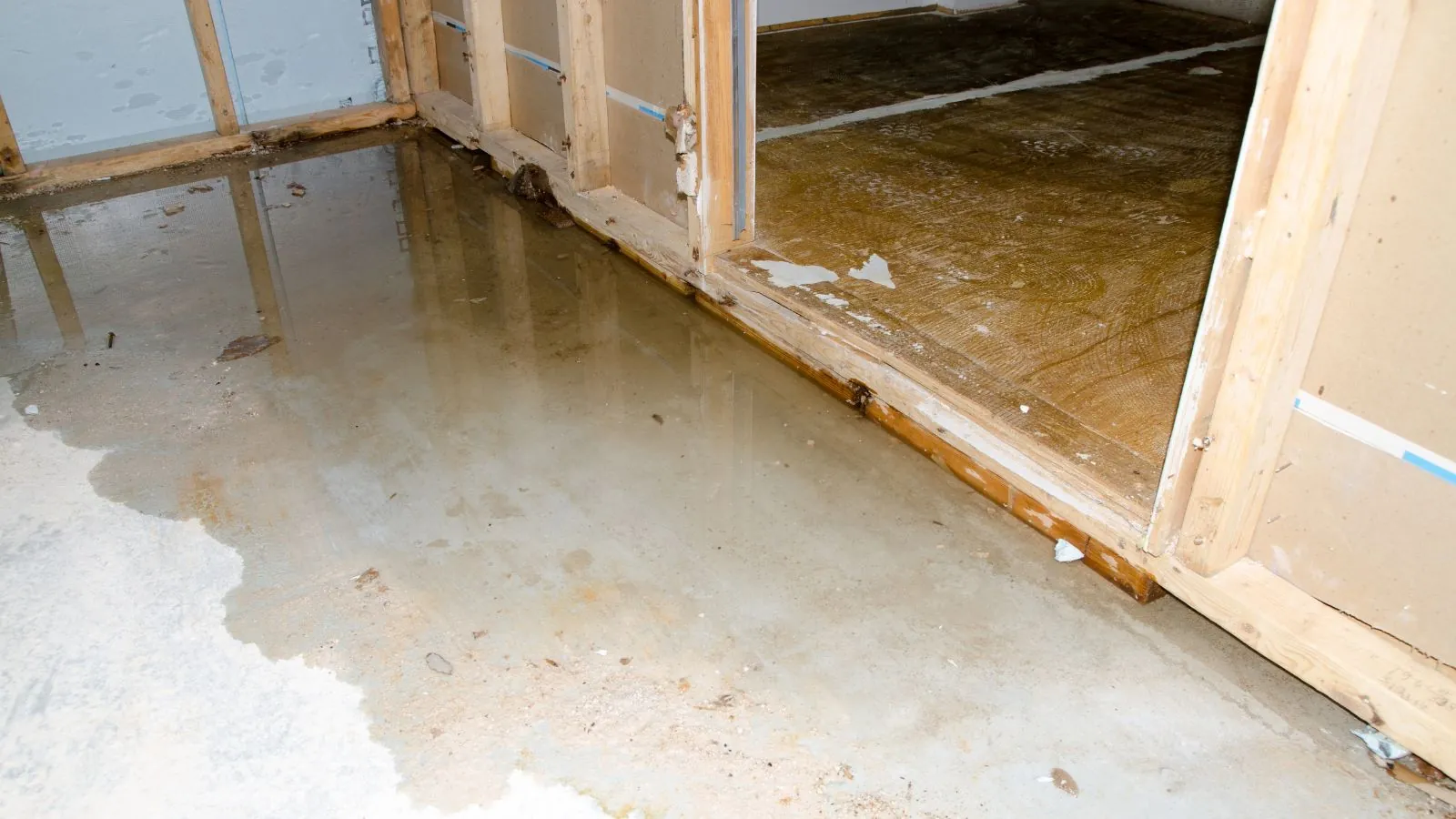
The most common description of a mold smell is musty, earthy or like a damp basement. Some people compare it to wet cardboard, old books or a gym bag left in a closed car.
The smell comes from gases that some molds and bacteria release while they grow. It tells you moisture is present, but it does not tell you whether the mold is black, green or something else. This guide explains what to notice, what else can cause the same odor and what to do.
How People Describe the Smell.
Musty and stale.
The smell of a closed damp room that does not clear when you open a window.
Earthy.
A smell like wet soil or decaying leaves.
Sour or sharp.
Sometimes described as similar to old socks or wet laundry left in a machine.
Stronger after rain.
A smell that gets worse in humid weather or after a storm.
Mastic local note.
The EPA advises that water damaged materials be dried within 24 to 48 hours to limit mold growth, which is why odors that appear days after a storm or leak are worth checking early. Early checks are simple and cost nothing to do yourself.
The New York State Department of Labor states that its mold law applies to projects larger than 10 square feet and provides a search tool for licensed mold professionals. Use it before you hire anyone for a larger project.
Is It Black Mold?
The term black mold is used for several species that look dark. Color alone does not tell you which species is present, and you cannot identify mold from its smell. A licensed assessor can sample and have a lab identify what is growing.
We do not make health claims about particular types of mold. If you are worried about symptoms in your household, speak with a doctor.
Other Causes of Musty Smells.
| Possible cause. | Clue. | What to check. |
|---|---|---|
| Hidden leak. | Smell near a wall or floor. | Moisture readings and stains. |
| Wet carpet or pad. | Smell in one room after a spill or flood. | Pad and subfloor. |
| Dirty drain trap. | Smell from a basement floor drain. | Trap water and drain. |
| Clothes dryer vent. | Smell in laundry areas. | Vent and lint trap. |
| Sewer odor. | Rotten egg smell near plumbing. | Plumbing vents and traps. |
The smell alone does not pinpoint the cause.
Following the Smell.
Walk through the house and note where the smell is strongest. Check under sinks, behind appliances, around windows, in the basement and in closets on exterior walls. Look for stains, damp materials or condensation.
A moisture meter helps, because a smell may come from a wall that feels dry on the surface. If you cannot find the source, a restoration company with moisture meters and thermal cameras can look without opening walls.
What To Do Next.
Find and fix the water.
Repair leaks and dry wet materials as soon as possible.
Ventilate and dehumidify.
Run a dehumidifier and open windows when weather allows.
Do not disturb visible growth.
Avoid brushing or spraying a dry area.
Call a professional if needed.
A licensed assessor can inspect larger areas under New York law.
Odors That Are Not Mold.
A rotten egg smell often comes from a dry drain trap or a sewer gas leak, and a burnt smell near an outlet means an electrical problem. Natural gas has an added odor that smells like sulfur, and a gas smell is an emergency. Leave the house and call your gas utility from outside.
A sour smell in a dishwasher or washing machine usually points to a clogged filter or trapped water. These are different problems from building mold, and cleaning the appliance often solves them.
Tracking a Smell With Simple Tools.
Close the room for an hour, then step in and note where the odor is strongest. Check outlets, vents and floor edges. A flashlight held at a low angle shows stains and texture changes that normal light hides.
A moisture meter confirms whether a surface is wet. If you cannot find the source, a restoration company can map moisture with meters and a thermal camera before anything is opened.
Why Smells Seem Stronger at Night and in Summer.
Closed windows and cooler indoor air at night trap odors in a room. In summer, humidity rises and damp materials give off more smell. Many people notice a musty odor first after a stretch of humid weather or after a long storm.
A smell that changes with the weather points to moisture that responds to humidity. A smell that stays the same may come from a source that is wet all the time. Keeping a short log of when the odor is strongest helps a technician narrow down the source.
Standards and Sources.
The ANSI/IICRC S520 is the published standard for professional mold remediation, and New York Labor Law Article 32 sets the licensing rules for projects over 10 square feet. We cite both as references for what black mold smells like. They describe how the work is planned and who may do it, and they are not a claim about any certification.
Where Smells Come From After Water Loss.
A musty smell after a leak often means materials are still wet. Structural drying explains how readings are used, and mold remediation explains how licensed assessment and removal work.
We also cover Brookhaven and Center Moriches, where bay moisture can add to indoor humidity.
Questions Readers Ask.
No. Smell indicates moisture and microbial activity, but it does not identify the species. A licensed assessor can sample.
Moisture may be entering through walls or floor, or humidity may be high. Check for stains, damp spots and condensation.
We do not make health claims. It is a sign of moisture, and the moisture should be found and fixed.
It may reduce odor, but it does not remove the moisture that causes it.
Not necessarily, but storm moisture is a common cause. Check for wet materials and dry them promptly.
Need a hand with the next step?
Call and we will explain scope and price before work starts.
Call (934) 223-1875.